
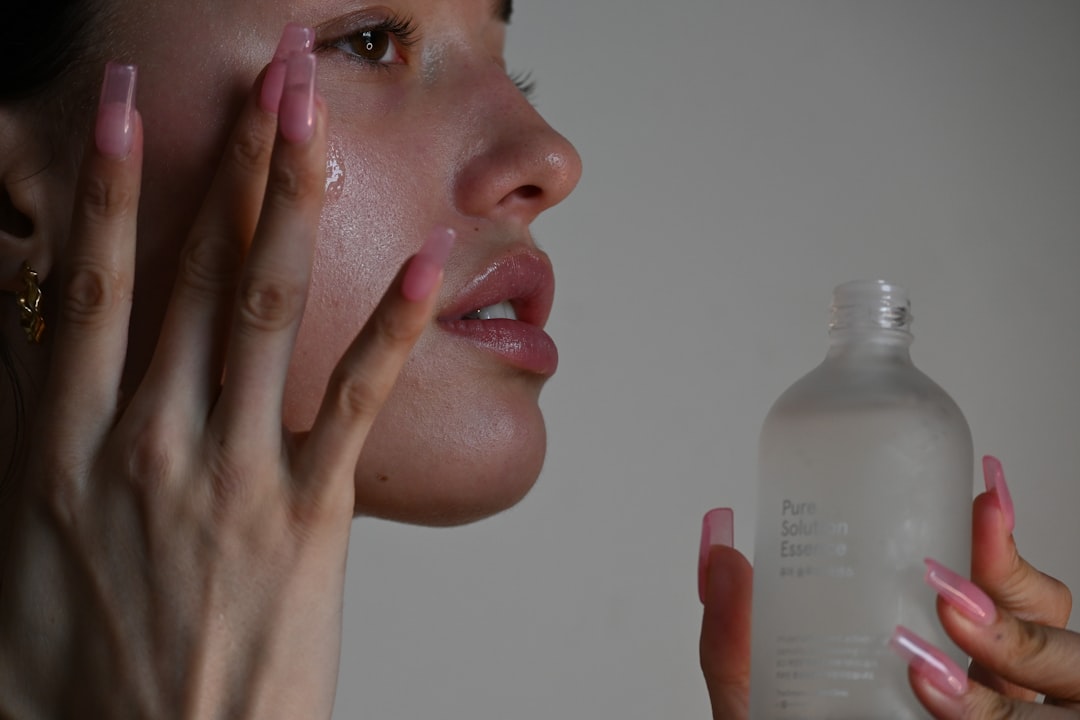
Simple Skin Care Treatments for Dry and Tired Skin
Dry, tired-looking skin is one of the most common complaints, especially with changing seasons, indoor heating or air conditioning, long workdays, and disrupted sleep. The good news: small, consistent changes to your routine and environment deliver noticeable results without expensive or complicated products.
This guide focuses on practical, evidence-based steps you can do at home. For product ideas and categories that match these approaches, explore resources from our Wellness & Self-Care collection.
What causes dry and tired skin?
Understanding the cause helps you choose the right treatment. Common contributors include low humidity, harsh cleansers, over-exfoliation, aging-related declines in skin lipids, poor sleep and stress, and dehydration. Lifestyle and environment often combine with skin type (naturally dry vs. normal-to-dry) to create persistent tightness, flaking, or a dull complexion.
Gentle cleansing and smart exfoliation
Start with the basics: use a mild, non-foaming cleanser that removes dirt without stripping natural oils. Avoid hot water and vigorous scrubbing. Exfoliate minimally—1–2 times per week for dry skin—using chemical exfoliants (like low-concentration AHAs) or a very gentle physical exfoliant.
If you’re shopping for targeted options, check our curated Skin Care category for cleansers and low-strength exfoliants formulated for dry, sensitive skin.
Hydration boosters: humectants, emollients, occlusives
Layering is key. Apply a humectant (hyaluronic acid, glycerin) to draw moisture to the skin, follow with an emollient (squalane, ceramides) to smooth, and finish with an occlusive (petrolatum, shea butter) at night or in very dry weather to lock water in. For daytime, choose lighter textures and always follow with SPF when exposed to sunlight.
For straightforward product categories and practical choices, our Personal Care collection includes a range of moisturizers, serums, and barrier-repair creams that suit dry or fatigued skin.
Overnight treatments and masks
Overnight masks or richer night creams give skin uninterrupted time to repair. Apply a generous layer of a hydrating mask 1–2 times a week, or use a thicker night cream nightly if your skin tolerates it. Ingredients to look for include hyaluronic acid, glycerin, ceramides, niacinamide, and gentle peptides.
To turn home treatments into a mini-spa routine, consider incorporating warm (not hot) compresses, gentle facial steaming for 1–2 minutes, followed by a hydrating mask and a calming facial oil. Browse our Massage & Spa category for at-home spa tools and mask accessories that make consistent care easier and more enjoyable.
Facial massage and simple tools
Facial massage increases circulation, aids lymphatic drainage, and helps product absorption. Use light upward strokes, a jade or quartz roller, or gua sha for 3–5 minutes daily. When applying creams or serums, use clean hands and gentle pressure—never tug the skin.
If you prefer tidy application and blending, a soft applicator can help distribute products evenly without waste. For example, the AOA Studio Collection makeup sponge works well for patting lightweight creams and tinted hydrators without stretching the skin.
Sleep, stress reduction and repair
Poor sleep and chronic stress accelerate skin fatigue—dullness, puffiness, and slower barrier repair. Prioritize consistent sleep schedules and short wind-down rituals. Even small changes—reducing screens before bed, keeping the bedroom cool and dark, and using calming breathing techniques—support skin recovery.
For sleep aids, gentle guided tools and sound machines can be useful while you build habits; see our Stress Relief & Sleep Aids options for practical, non-medicated support that pairs with skincare improvements.
Aromatherapy and oils for calm, hydrated skin
Certain oils and diffuser blends can support relaxation and a better sleep environment—indirectly improving the look of tired skin. Topically, lightweight facial oils (rosehip, jojoba, squalane) can add an extra layer of nourishment when used appropriately: a few drops pressed into damp skin before your moisturizer helps lock in hydration.
Our Essential Oils & Diffusers category offers diffuser blends and single oils to create a calming bedtime routine; remember to patch-test any topical oil and avoid applying fragranced oils near eyes or on broken skin.
At-home environment: humidity and air quality
Low indoor humidity dries the skin. Running a humidifier in your bedroom during dry months or when heating/air conditioning runs for long stretches can make a measurable difference—especially combined with consistent moisturization.
Find practical devices and home comfort items in our Home Essentials collection that support a hydration-friendly environment for your skin.
Checklist: Quick routine for dry, tired skin
- AM: Gentle cleanser → hydrating serum (humectant) → lightweight moisturizer → SPF
- PM: Gentle cleanser → treatment serum (niacinamide/peptides if used) → richer moisturizer or facial oil
- 1–2x/week: gentle exfoliation; 1–2x/week: hydrating overnight mask
- Daily: 3–5 minutes facial massage; drink water; maintain sleep schedule
- Adjust home humidity if air feels dry; avoid long hot showers
FAQ
- How quickly will my skin improve? Many people notice reduced tightness and better texture within 1–2 weeks when switching to gentler cleansing and consistent moisturization; more significant changes (tone, repair) may take 4–12 weeks.
- Can I use oil on already dry skin? Yes—light facial oils can seal moisture when applied to slightly damp skin. Start with a single oil and do a patch test for sensitivity.
- Is exfoliation necessary? Occasional gentle exfoliation helps remove flaky dead cells and improve product absorption, but over-exfoliating will worsen dryness. Limit to 1–2 times weekly for dry skin.
- Will a humidifier really help? Yes—if indoor air is dry, a humidifier reduces transepidermal water loss and supports barrier recovery; use as part of a routine, not a replacement for topical care.
- Are expensive products required? No—effective care focuses on the right ingredients and consistent routine. Affordable products with humectants, ceramides, and occlusives are often sufficient.
Conclusion: One practical takeaway
Pick three reliable habits and do them consistently: gentle cleansing, layered hydration (humectant + emollient + occasional occlusive), and improved sleep/environment. These simple, repeatable steps address dryness and revive tired skin without complicated regimens. For tools and products that support these habits, explore the linked categories above to find options that fit your lifestyle and budget.
Products Featured in This Article

AOA Studio Collection makeup Sponge…
❣️Made from Latex free makeup blender sponge. ❣️Makeup sponges for BB cream, cosmetic foundation, concealer, powder,…