
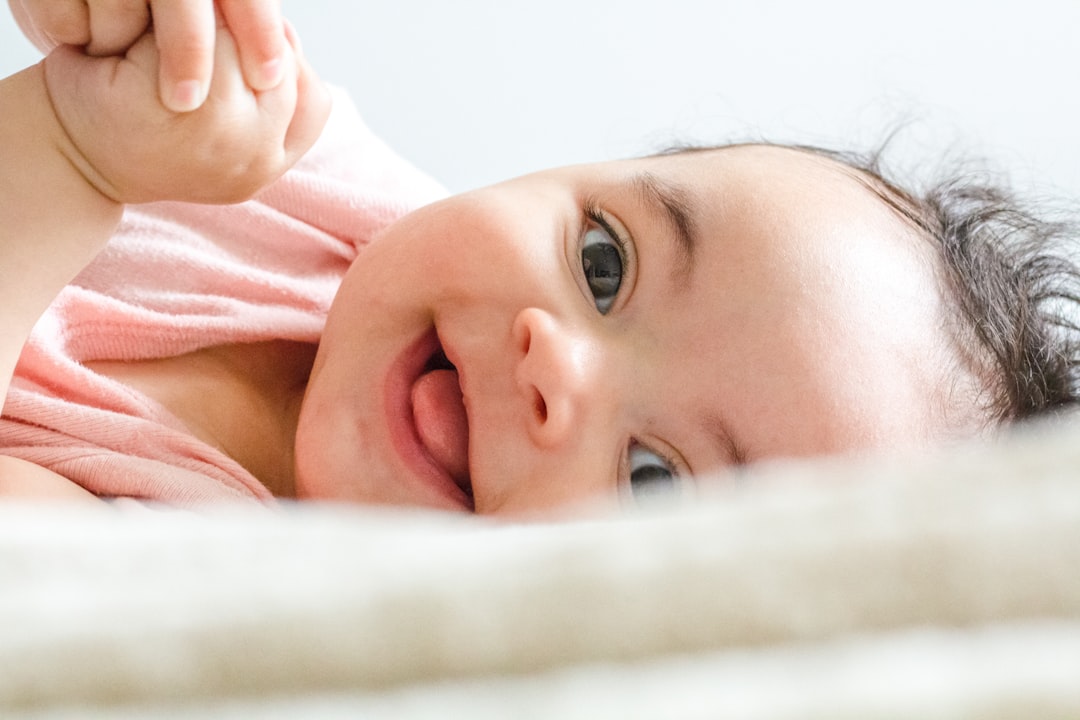
Baby Essentials Every New Parent Should Keep Ready
Bringing a newborn home is equal parts joy and preparation. Having the right items ready before baby arrives removes stress, speeds up response to common needs and helps new parents feel confident from day one.
This guide breaks down practical essentials by use—nursery, feeding, diapering, sleep, health, bathing, gear and play—so you can prioritize purchases and pack your hospital bag without second-guessing.
Nursery basics: a safe, functional space
Start with a simple, safe setup that supports daily routines. A firm mattress and a properly sized crib or bassinet, a changing station, a small dresser or storage bins for clothes, and a soft night light create a dependable foundation. Keep frequently used items within arm’s reach so you never leave baby unattended on a surface.
For practical shopping and room basics, check the site’s Home Essentials to find versatile storage, breathable bedding options and multi-use furniture that works for small nurseries.
Feeding & burping: essentials that make feeding smoother
Whether breastfeeding or formula feeding, plan for comfort and hygiene. A supportive nursing pillow, several burp cloths, a reliable bottle sterilizer or dish-drying area, and easy-to-clean bottles and nipples are must-haves. If breastfeeding, a comfortable chair and breast pads reduce strain; if bottle-feeding, keep a thermometer-friendly bottle warmer and extra formula on hand.
Look through the Baby Care listings for feeding accessories, bottle brushes, and sterilization tools that simplify daily feeding routines.
Diapering & clothing: what to keep stocked
Newborns go through many diapers per day. Stock a practical amount of diapers in a variety of sizes (newborn and size 1), several packs of unscented wipes, a diaper pail or sealable disposal bags, and a changing pad cover or two. Have a small set of laundry-safe, breathable outfits: bodysuits, sleepers, socks and a couple of swaddles.
For comfortable fabrics and easy-care options, browse the Clothing category for soft, practical baby apparel that handles frequent changes.
Sleep essentials: safe sleep and routines
Newborn sleep can be unpredictable. Prioritize a safe sleep environment: a firm mattress, fitted sheets, and no loose blankets or pillows in the crib. Use sleep sacks to keep baby warm without loose bedding. A consistent bedtime routine—dim lights, gentle white noise and a short feeding—helps baby learn sleep cues.
Consider a white-noise machine or other calming tools from the Stress Relief & Sleep Aids collection to create a steady sound environment that masks household noise and supports longer sleep stretches.
Health & safety: quick-response items
Keep essential health items accessible: a digital thermometer, nasal aspirator, baby nail clippers, and a list of emergency contacts. Create a small first-aid kit that includes items for minor cuts, fever and quick cleaning. Store medicines out of reach and label a small drawer for health supplies alone.
Having a ready-made kit saves time—consider a compact emergency option like the Mini First Help Package, 100 Items for home and travel readiness.
Bathing & personal care: gentle, practical choices
Choose mild, tear-free baby wash and a soft washcloth. A small inflatable or sink-safe baby tub makes bathing safer and more controlled in the early months. Keep towels with hoods for warmth after baths and a moisturizing lotion for dry skin. For diaper care, have a fragrance-free barrier cream and an alcohol-free hand sanitizer for caregivers.
Explore the Personal Care category for gentle cleansers, washcloths and skin-care products suited to sensitive newborn skin.
Gear & tech: monitors, storage and photography
Not all gadgets are essential, but the right ones can make life easier. A reliable baby monitor (audio or video) helps you keep tabs without entering the room; a compact breast pump for returning to work; and a compact stroller for short outings are top picks. For documenting milestones, a neutral backdrop, good natural light and a camera or smartphone produce the best newborn photos.
When planning first photos and storing memories, check options in Photography to find simple cameras and accessories that fit a beginner’s budget and produce shareable images.
Play & development: age-appropriate basics
In the first months, simple sensory toys are best: high-contrast cards, soft rattles, and a safe floor mat for supervised tummy time. Rotate a few toys to keep stimulation varied. For later months, bath toys and teething rings become important additions.
For safe, engaging options you can introduce over the first year, review the Toys & Games selection for age-appropriate play items that support early motor and sensory development.
Quick checklist: Baby essentials to have ready
- Crib/bassinet with firm mattress and 2–3 fitted sheets
- Changing pad, diapers (newborn & size 1) and wipes
- Feeding gear: nursing pillow, bottles, sterilizer, burp cloths
- Sleep sack(s) and white-noise solution
- Basic health kit: digital thermometer, nail clippers, nasal aspirator
- Mini first aid kit for quick emergencies
- Gentle baby wash, towels and moisturizer
- One good stroller and a safe infant car seat (installed before arrival)
- Soft toys, a floor mat and books for early development
FAQ
- How many diapers should I buy before baby arrives?
Start with one box of newborn diapers and a second box of size 1. Babies grow quickly; buying small batches prevents waste as sizes change.
- Do I need a video monitor from day one?
Not necessarily. Many parents start with an audio monitor and add a video monitor if they want visual checks without entering the room. Choose based on your comfort level and budget.
- What’s essential for safe sleep?
Use a firm mattress, fitted sheet, and sleep sack. Keep the crib clear of loose blankets, pillows, and stuffed animals.
- Which feeding items are non-negotiable?
Whether breastfeeding or bottle-feeding, have burp cloths, a nursing pillow or comfortable support, and clean bottles or pump parts ready. Sterilization options are helpful but not required if you maintain good cleaning routines.
- What should go in a simple health kit?
Include a digital thermometer, nasal aspirator, baby nail clippers, an oral syringe for meds, and a small first-aid kit for minor needs.
Conclusion
Focus on safety, simplicity and routine when preparing for a newborn. Equip your home with the essentials listed here and add items slowly as you discover what works best for your family. Small, practical choices done ahead of time deliver major peace of mind in those first weeks.
Products Featured in This Article

Mini First Help Package, 100 Items …
FULLY PACKED ▶ Everything you need is in a small kit! Fully packed with 100 pieces…