
How to Fix Lower Back Pain with Smart Daily Support Gear
Lower back pain is one of the most common complaints adults face. It can come from a desk job, repetitive tasks, poor sleep, or simply years of small stresses on the spine. While severe or sudden pain always warrants professional attention, for many people consistent daily habits plus the right support gear provide meaningful relief and reduce flare-ups.
This practical guide outlines simple, evidence-informed strategies and the smart support gear you can integrate into daily life. The goal is practical, sustainable changes: better posture, targeted movement, and gear that helps—not replaces—good habits.
Understand what’s causing your pain
Lower back pain often arises from three broad, overlapping factors: mechanical stress (posture, lifting), deconditioning (weak core or glute muscles), and lifestyle stressors (poor sleep, tension). Before buying anything, observe when pain increases or eases: after long sitting, first thing in the morning, during certain movements. That pattern guides which gear and habits will help most.
Posture and movement: small habits with big impact
Start with movement rules you can keep: change position every 30–45 minutes, hinge at the hips not the low back when bending, and use both legs when lifting. A standing desk, timed reminders, and a habit of 2–3 short walk breaks per work hour reduce static load on the lumbar spine.
Supportive seating and workspace setup
Seat height, lumbar support, and workstation alignment matter. Use a chair that supports the natural curve of your lower spine; add a lumbar roll if needed. If you spend long hours seated, consider ergonomic accessories: a seat cushion with mild contouring, footrest to reduce hip strain, and monitor at eye level to avoid forward head posture. Look for suitable products in the store’s Home Essentials selection when upgrading your workspace.
Supportive clothing and wearable aids
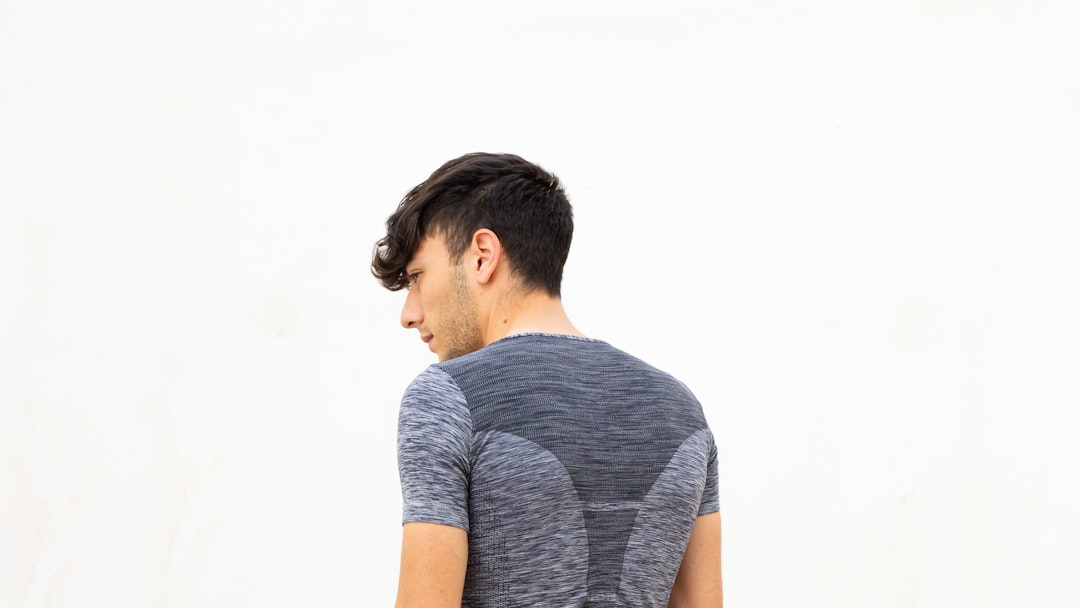
Clothing can be part of a practical support strategy. Compression fabrics that support the core and back, or shirts designed for posture alignment, encourage subtle support without restricting movement. For specific tasks—heavy lifting, gardening, or long drives—consider a utility belt or lumbar brace for short-term support, combined with strengthening work. Browse posture-friendly options under the Clothing category to find items that blend function with everyday wear.
Daily stretches and strengthening routines
A consistent, short routine is better than an occasional long session. Focus on:
- Gentle morning mobility (pelvic tilts, knee-to-chest) to reduce stiffness.
- Glute and hamstring activation (bridges, clamshells) to offload the lumbar spine.
- Core stability (dead bug, bird-dog) to improve spinal support.
Guided resources and simple programs can make starting easier—consider following step-by-step routines like those in the Instant stretches for stress relief guide for clear sequencing and progressions.
Massage, heat, and topical relief
Self-massage, foam rolling, and targeted heat can reduce muscle guarding and improve tissue mobility. Use heat packs for 15–20 minutes to relax tight muscles before stretching, and consider topical creams or balms for short-term symptom relief. For at-home recovery tools and professional-grade accessories, check the Massage & Spa category for options that suit your routine.
Topical and daily personal care
When managing daily discomfort, consider high-quality personal-care essentials: non-greasy topical analgesics, skin-friendly heat wrap covers, and creams formulated to be applied before activity. Choose items that complement your care plan rather than mask issues. Explore curated items in the Personal Care section to pair with your movement and rest strategies.
Sleep position and stress management
Sleep is when tissues repair. Poor sleep posture—especially a mattress or pillow that collapses in the lumbar region—can perpetuate pain. Aim for a mattress that provides neutral spinal alignment; use a pillow under the knees when sleeping on your back or between the knees when on your side.
Stress heightens muscle tension and pain perception. Tools and products that support relaxation and consistent sleep routines can reduce flare-ups. Browse sleep aids and calming supports in the Stress Relief & Sleep Aids category to help establish a nightly routine.
For simple guided breathing and relaxation you can use anywhere, consider a compact device that teaches paced breathing and helps interrupt a pain cycle—such as the Mindfulness ‘Breathing Owl’, which offers guided breath cues and soft ambient support for stress and sleep.
Use wellness gear as part of a balanced plan
Gear is best when it complements movement, sleep habits, and professional care when needed. The right tools help you maintain consistency and make healthy habits easier to follow. For a wide range of practical supports—from mobility aids to relaxation tools—see the broader Wellness & Self-Care selection to build a kit that fits your daily routine.
Quick checklist: Daily lower-back support
- Stand or move for 2–3 minutes every 30–45 minutes of sitting.
- Perform a 10–15 minute morning mobility and core activation routine.
- Use lumbar support or cushion when seated for long periods.
- Apply heat for 15–20 minutes before stretching tight muscles.
- Sleep with position adjustments (pillow under knees or between legs).
- Use stress-reduction tools or guided breathing to lower muscle tension.
- Limit heavy brace use to short periods while building strength.
FAQ
-
Can support gear cure lower back pain?
Support gear helps manage symptoms and reduce strain but doesn’t replace movement, strengthening, or professional evaluation when needed. Use gear as part of a broader routine.
-
How long should I wear a lumbar brace?
Use a brace short-term during high-risk activities or flare-ups. Prolonged dependency can weaken core muscles—combine brace use with strengthening exercises.
-
Which sleep position is best for lower back pain?
Back sleepers do well with a pillow under the knees; side sleepers benefit from a pillow between the knees to keep hips and spine aligned. Mattress firmness should support your natural spinal curve.
-
When should I see a clinician?
Seek prompt care for severe pain, progressive weakness, numbness in the legs, bladder or bowel changes, or if pain doesn’t improve with conservative measures over several weeks.
-
Are topical creams effective?
Topical analgesics can reduce symptoms short-term and assist participation in movement and recovery activities. Choose formulations that are skin-friendly and use as directed.
Conclusion — practical takeaway
Lower back pain improves most reliably with consistent daily habits: regular movement, targeted strengthening, better sleep posture, and smart supportive gear that removes barriers to staying active. Start with small, achievable changes—set timers to move, add a lumbar pillow, do a five-minute core routine each day—and layer in tools like heat, topical care, and relaxation aids. Use gear from trusted categories to make those habits easier and more durable. If pain persists or you experience concerning symptoms, consult a healthcare professional for tailored care.
Products Featured in This Article

Mindfulness ‘Breathing Owl…
Ultimate 3 in 1 Solution for Mindful Breathing: Rainlax, the 3-in-1 device that combines a breathing…
