
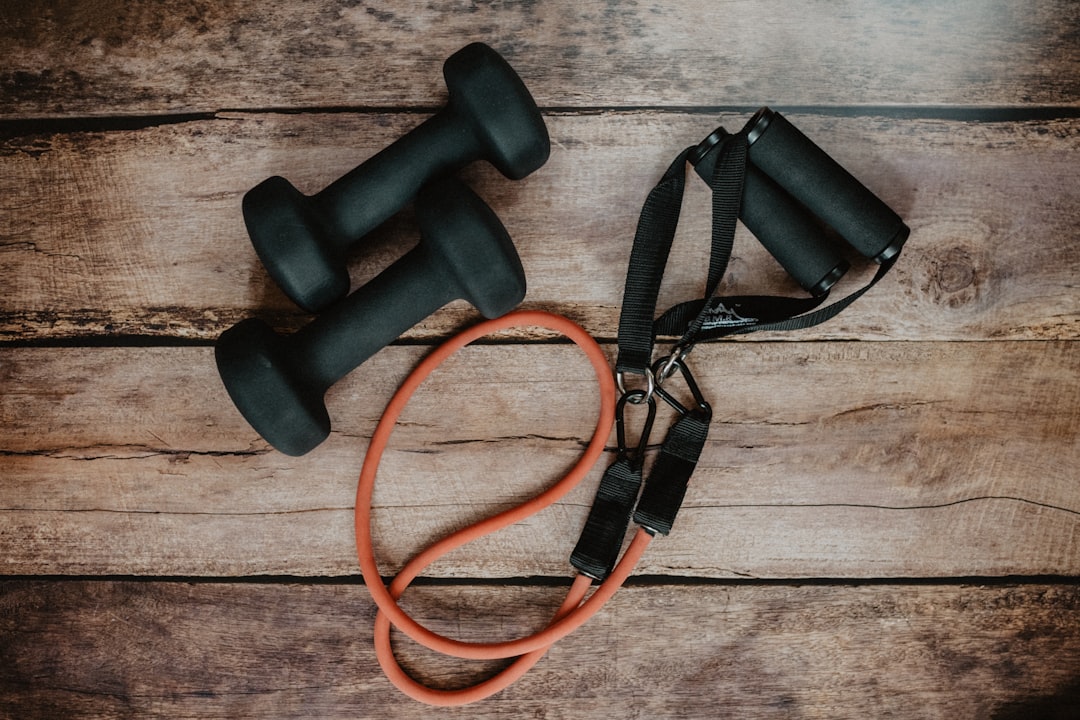
Recovery is the often-overlooked half of every fitness plan. For people dealing with nagging back, neck, or joint discomfort, smart product choices can reduce downtime, improve movement quality, and make workouts more sustainable.
This guide focuses on practical recovery products and how to use them effectively. If you want a simple place to start browsing a curated set of restorative tools and routines, check categories that focus on recovery and self-care like Wellness & Self-Care.
Why targeted recovery for back, neck, and joints matters
Targeted recovery addresses tissues and movement patterns that are most stressed by your daily routine or sport. A focused approach limits compensations (e.g., poor posture because of a sore lower back) and speeds return to full activity. Simple mobility tools and consistent short sessions often deliver more benefit than occasional, long treatments.
For guided short routines you can repeat at home, resources focused on stretching and mobility are particularly useful — for example, practical guides such as Instant stretches for stress relief are designed for quick, repeatable practice that complements product use.
Massage tools: foam rollers, balls and percussion devices
Self-massage is a cornerstone for soft-tissue recovery. Foam rollers and lacrosse/therapy balls break up adhesions and improve circulation in tight muscles around the spine, shoulders, hips and knees. Percussion massagers reach deeper tissues and are helpful for larger muscle groups when used at low-to-moderate intensity.
Look for devices that are ergonomically designed and offer variable intensity so you can progress as tolerance improves. For a range of massage and spa-oriented tools and accessories, the Massage & Spa category has focused options suitable for home use.
Electrical stimulation and other tech aids
TENS units, EMS devices and smart recovery gadgets can complement mechanical therapies. TENS provides non-invasive pain modulation for short-term relief; EMS can help maintain muscle activation during rehab phases. Wearables and app-connected devices give you data (usage time, intensity) so you avoid overuse.
If you prefer browsing tech-focused recovery aids that include user-friendly designs and warranties, explore the selection under Tech & Gadgets — many listed items include specifications that help you compare features.
Heat, cold, and home therapy essentials
Contrast therapy (alternating heat and cold), microwavable heat packs, and reusable gel ice packs are staples for acute flare-ups and chronic stiffness. Heat increases tissue pliability before mobility work; cold reduces acute inflammation after high-intensity sessions.
For durable, practical items like electric heat pads, reusable packs, and supportive accessories suited to home recovery setups, check options in Home Essentials. Choose products with washable covers and size options that match the body area you’ll treat.
Supportive clothing and braces
Compression sleeves, lumbar belts, and posture-support garments can reduce mechanical strain during activity and help you feel more secure while moving. Use them as an adjunct — not a permanent substitute — for strengthening and mobility work. Fit and material matter: breathable fabrics and accurate sizing prevent restriction of movement or circulation.
To compare supportive garments and fitting specs, see the apparel and support options in the Clothing category, where performance-oriented pieces are often listed alongside size guidance.
Topical care and daily routines
Topical analgesics, warming/cooling creams, and recovery balms provide symptom relief and can make movement less painful during rehab sessions. Pair topical treatments with gentle mobility work and ensure you follow manufacturer application instructions.
For creams, balms and other personal recovery essentials that fit into a daily routine, browse the Personal Care category. Choose fragrance-free or hypoallergenic options if you have sensitive skin.
Rest, sleep and stress management to support healing
Quality sleep and stress reduction accelerate tissue repair and reduce pain sensitivity. Tools that improve sleep hygiene, guided breathing, and white-noise/night-light devices can change recovery outcomes because they reliably improve nightly rest.
If you want tools that pair relaxation techniques with practical sleep aids, check the Stress Relief & Sleep Aids collection for products focused on relaxation, breathing guidance, and sound-based support.
Practical shopping tips and safety checklist
- Identify the primary problem: neck, lower back, knee, etc., then match the product to that area.
- Prioritize adjustable intensity (massagers, TENS), proper sizing (braces, clothing), and washable materials (pads, covers).
- Start low and short: 5–10 minutes of a device or routine and increase gradually as tolerated.
- Combine modalities: e.g., heat before mobility, self-massage, then topical as needed.
- Track what helps: note pain levels and mobility before and after a session to identify effective tools.
Checklist: quick-buy guide
- Foam roller or massage ball for myofascial release
- Percussion massager or TENS (adjustable intensities)
- Heat pack and reusable cold pack
- Supportive brace or compression garment sized correctly
- Fragrance-free topical relief or balm
- Sleep/relaxation aid to support nightly recovery
FAQ
Q: How do I choose between ice and heat?
A: Use ice for acute inflammation or recent injuries (first 48–72 hours) and heat to loosen tight muscles before mobility work. If unsure, short trials of each and noting symptom changes helps guide choice.
Q: Are TENS units safe to use daily?
A: Many users benefit from TENS for short sessions; follow device instructions and avoid use over the chest, near the carotid arteries, or on broken skin. If you have implanted electronic devices or certain medical conditions, consult your healthcare provider before use.
Q: How long before I should expect improvement?
A: Small, consistent gains often appear in 1–3 weeks with daily mobility and recovery work. More chronic or structural issues may take longer and benefit from a combined approach (strength, mobility, and targeted modalities).
Q: Can I use compression clothing during workouts?
A: Yes—compression can support circulation and perceived stability during activity. Ensure it fits well, doesn’t restrict movement, and is used alongside proper technique and conditioning.
Q: What’s the best order for using recovery products?
A: A common sequence: heat or light massage to warm tissues, mobility or targeted stretches, strengthening or activation work as tolerated, and cold/topical treatment afterward if needed.
Conclusion
Effective recovery for back, neck and joints is about pairing the right products with consistent, brief routines. Start with one or two well-chosen tools—massage, heat/cold, or a supportive brace—build daily habits, and track progress. Thoughtful buying and steady practice deliver the best, sustainable results.
Products Featured in This Article
